Advice & Tips
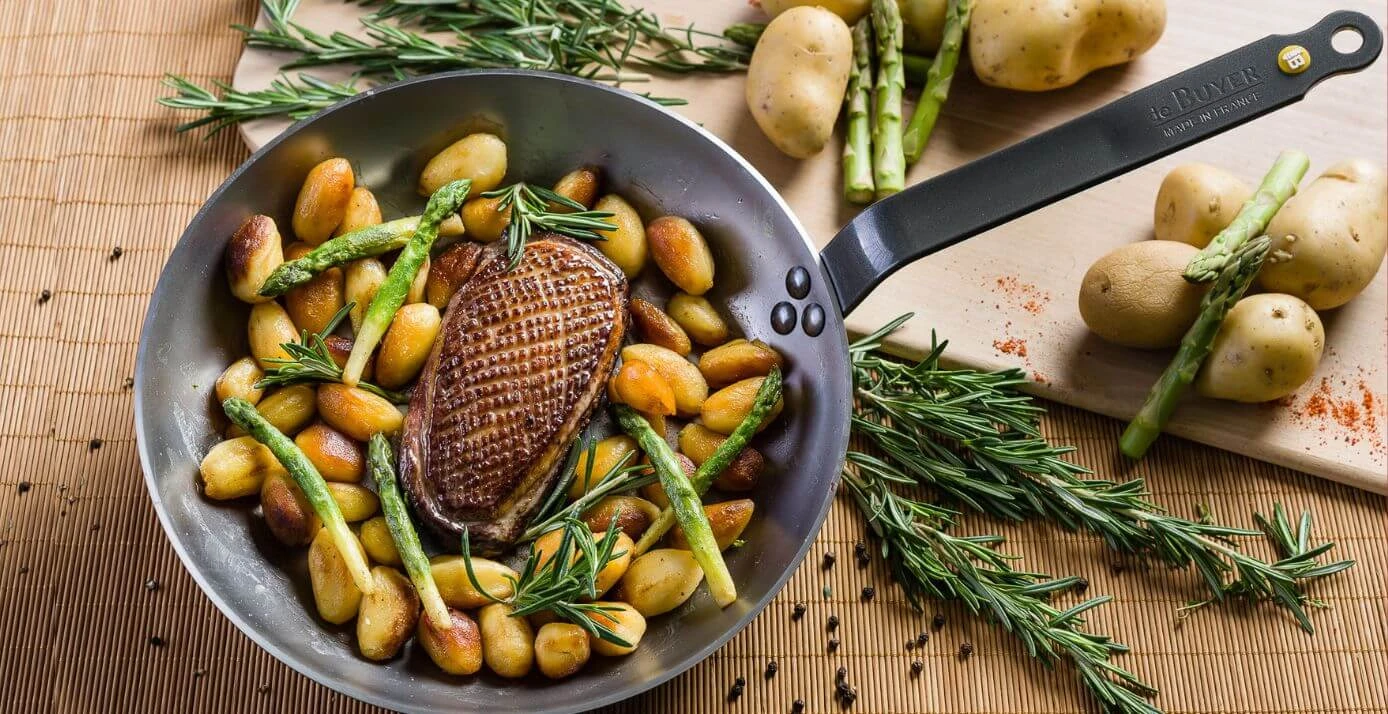
All About Carbon Steel pans
"Your All In One Guide to Carbon Steel Pans"
Table of content
- Table of Contents
- Why Carbon Steel Pans Deserve a Spot in Your Kitchen
- Made of Pure Iron
- Advantages and Disadvantages of Carbon Steel Pans
- Disadvantages
- Natural Non-stick
- How to Season Your New Pan
- Be Careful When Cleaning
- How to Clean De Buyer Pans Properly
- Is The Pan Very Dirty or Does it Smell?
- Is an Iron Pan The Right Choice For Me?
- The Difference Between the Carbon and Mineral B Pro
- Do you have any questions or comments?
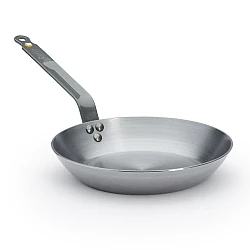
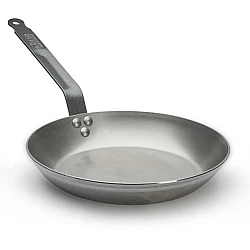
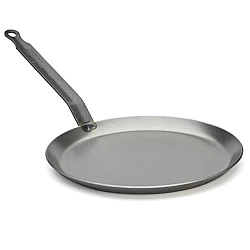

Table of Contents
Why Carbon Steel Pans Deserve a Spot in Your Kitchen
More and more cooks are switching from standard aluminum non-stick pans to non-stick carbon steel pans or carbon steel frying pans. The reason is that the best carbon steel pans are incredibly durable and better for your health overall.
One of the most popular choices is the iron (carbon steel) pans from De Buyer, but what exactly are these pans, and why are they so popular?
In recent years, there has been a spike in interest in carbon steel vs stainless steel pans and other carbon steel cookware. It doesn't matter if you're looking for the best carbon steel frying pan, a carbon steel pan for grilling, or a cast iron frying pan, carbon steel offers a natural, sustainable, and long-lasting solution for all your cooking needs.
In this article, we explain exactly what these pans are made of and how best to use them, including how to season carbon steel pans and seasoning carbon steel pans. We'll also compare the different series offered by De Buyer, such as the Mineral B Pro and other lines.
Made of Pure Iron
One of the main differences is the material these pans are made of. While most pans are made of aluminum, De Buyer's carbon steel pans are made from iron with high carbon content. This unique composition offers significant advantages but also presents some potential disadvantages to consider.
Advantages and Disadvantages of Carbon Steel Pans
 De Buyer's carbon steel pans are crafted from iron steel, which is essentially steel without any additives. This results in a completely natural pan, free from foreign substances that could potentially contaminate your food during cooking. In fact, when using these carbon steel pans, you actually gain an extra serving of iron, contributing to a healthier lifestyle.
Additionally, the best carbon steel pans are renowned for their exceptional heat retention and distribution properties, ensuring even cooking and preventing hot spots. This makes them an excellent choice for searing, baking, and other high-heat cooking techniques.
Disadvantages
While carbon steel pans offer numerous benefits, it's essential to be aware of their potential downsides. One notable disadvantage is their weight – on average, a carbon steel pan can be twice as heavy as its aluminum counterpart.
Another consideration is the potential for rust. Carbon steel is susceptible to rusting if not properly maintained. It's also worth noting that the natural non-stick properties of carbon steel may not hold up as well against highly acidic ingredients like tomatoes.
Less suitable for acidic ingredients: Another major disadvantage is that the forming non-stick coating does not withstand ingredients with high acidity. For example, tomatoes are less suitable for these pans; thus, it is not recommended to make tomato sauce in them.
Natural Non-stick
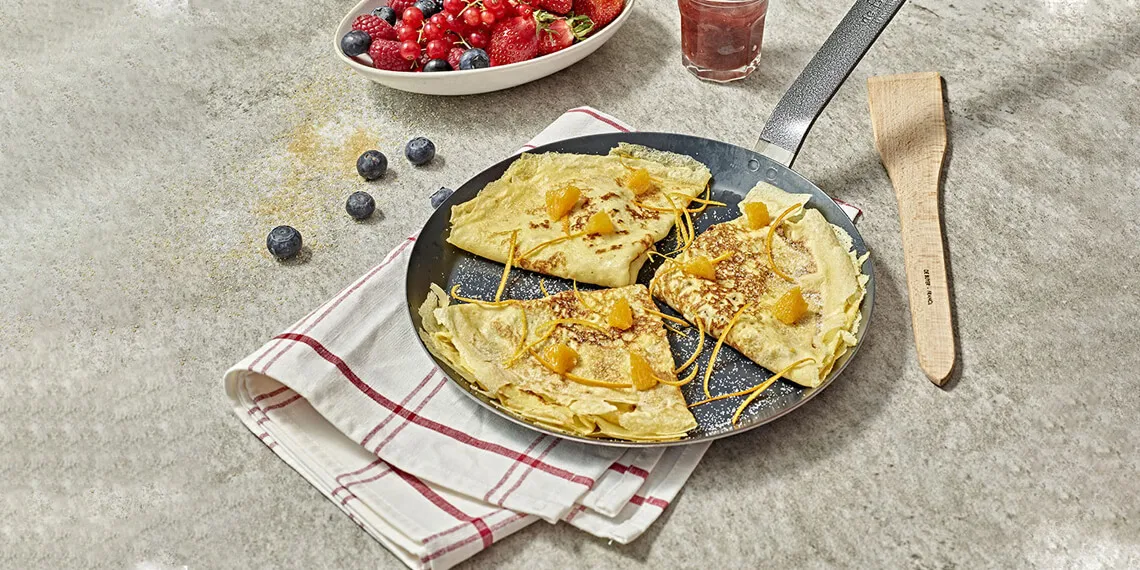
De Buyer's Carbon version does not have an artificial non-stick coating (a layer applied to or in the pan as a protective layer). So when you buy this pan, you are buying a pan with no non-stick coating, but it doesn't stay that way!
In fact, the carbon steel from which this pan is made has an important property. If you oil the carbon steel frying pan before and after using it, the oil will adhere to the pan. This layer, the more often you use the pan, will become thicker and smoother.
This creates a natural (and healthy) non-stick coating. This best carbon steel frying pan grows with your cooking and will only get better at frying. The oil also keeps the carbon steel pan from rusting.
How to Season Your New Pan
Let's dig into the nitty-gritty of seasoning carbon because this step is where you truly start building that legendary non-stick surface people rave about. First, always start with a pan that's squeaky clean, use hot water and a bit of mild soap to remove any factory coating or residue.
Next, thoroughly dry your carbon steel pan, as any leftover moisture can interfere with a solid seasoning. When it comes to picking oil for the first season, think neutral and high smoke point: grapeseed oil, flaxseed oil, or plain vegetable oil all work like a charm.
Pour a little oil onto a paper towel and rub a thin layer all over the pan, inside and out. Seriously, keep it thin. Too much oil leads to sticky or uneven seasoning, and you want a smooth, perfect surface that screams quality every time you cook.
The Stovetop Method: Effective for First Seasoning
If you want to season your pan with a hands-on approach, the stovetop method is a solid option. It’s faster, more visual, and works especially well for smaller pans or quick touch-ups.
Here’s how to do it:
- Start with a clean, dry pan. Wash off any factory coating or residue using hot, soapy water, then dry thoroughly.
- Apply a very thin layer of high smoke point oil (like grapeseed or vegetable oil) to the entire surface of the pan, including the sides.
- Place the pan on medium-high heat and wait until it starts smoking. Move the pan around or tilt it to evenly heat all areas.
- Let it smoke for 10 minutes, then turn off the heat and allow it to cool completely.
- Repeat 2–3 times for a strong initial seasoning.
Just make sure your kitchen is well-ventilated because the smoking is part of the process, but it can get intense.
The Oven Method: Simple and Foolproof
If you want a foolproof way to get your carbon steel pan ready for action, the oven method is about as simple and effective as it gets.
First, make sure your steel pan is totally clean and dry because moisture's the enemy of good seasoning. The beauty of the oven method is in its consistency, by using the oven, you surround your pan with heat from all sides, ensuring every inch of the steel gets the love it needs.
Step-by-Step Oven Seasoning:
- Preheat your oven to 200°C (about 400°F)
- Apply oil sparingly - rub a paper-thin coat of high-smoke point oil over the entire pan, inside and out
- Place upside down - pop your oiled pan upside down in your oven so excess oil drips off instead of pooling
- Line underneath - place a tray or foil underneath to catch drips and save yourself a mess
- Bake for one hour - this forms a strong, even carbon layer on your steel pan
- Cool naturally - let it cool with the oven door closed to avoid shocking the steel
Repeat this process as you build up layers, and you'll notice your pan developing serious flavor, resilience, and that slick seasoned surface chefs swear by.
For more information about cleaning all types of pans, visit our Maintenance Tips section.
Be Careful When Cleaning
As mentioned earlier, the carbon steel pan may rust if not properly cared for. Thus, it should not be put in the dishwasher. Washing with soap is also not recommended for De Buyer carbon steel pans.
Just as soap removes the seasoned oil from your pans during dishwashing, it will also remove the crucial seasoning layer that you've built up. If this happens, you will need to re-season the carbon steel frying pan.
How to Clean De Buyer Pans Properly
The best way to clean your De Buyer carbon steel pan is to rinse it with a brush under hot water. After washing, the carbon steel frying pan should be dried thoroughly and re-seasoned with a drop of oil smeared all over the pan with a paper towel.
Is The Pan Very Dirty or Does it Smell?
Have you used fish or another strong-smelling ingredient in your best carbon steel pan? Normal washing may not remove persistent odors. To eliminate unpleasant smells, put some salt in the carbon steel pan and heat it until hot. Once the salt has absorbed the odor, discard it and re-season the pan with oil.
Is an Iron Pan The Right Choice For Me?
That's hard to say. Don't mind giving your carbon steel pan extra care before and after use? Not bothered by a heavier pan? Then we recommend having at least one carbon steel frying pan alongside your aluminum non-stick cookware. After all, carbon steel pans are perfect for high-heat cooking and baking.
But are you someone who puts pans in the dishwasher after use or doesn't feel like maintaining a pan? Then you won't enjoy these pans. In that case, you're better off buying a high-quality aluminum pan with non-stick coating, such as the Le Creuset Les Forgees pans.
The Difference Between the Carbon and Mineral B Pro
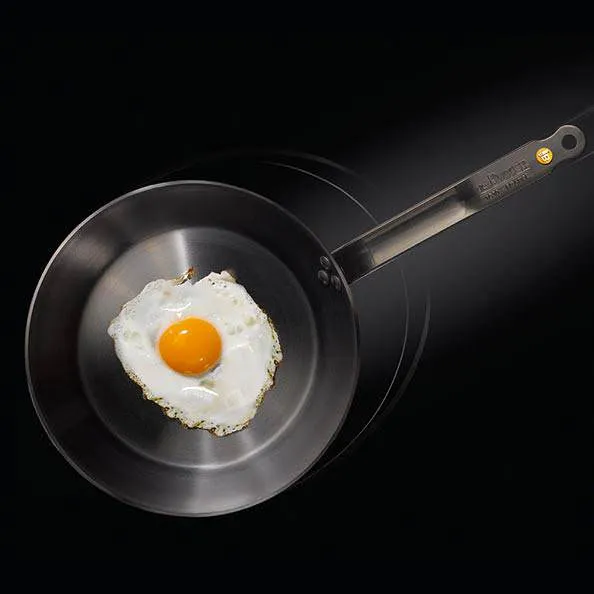
 The Mineral B Pro series from De Buyer is the more luxurious version of the Carbon series. They are both made of the same carbon steel material, but the Mineral B Pro has a layer of beeswax all over the carbon steel pan. This protects it from rusting during transport, although it disappears after the first wash.
The handle is nicer finished (including a unique yellow rubber dot) and on the larger Mineral B Pro carbon steel pans the helper handle is of higher quality. So if you want a slightly nicer best carbon steel pan with better ergonomics and baking results, choose the Mineral B Pro.
View all pans from De Buyer here
Do you have any questions or comments?
Then leave a comment below!

Leave your comment
Comment